Article


Animal advocate, vegan foodie, aquafaba enthusiast — Georgie Purcell is many things, but “typical politician” isn’t one of them. Say hello to the trailblazing, plant-based MP proving that compassion and politics can go hand in hand.
When you picture a politician, you might not immediately think of someone whipping up a vegan pavlova, obsessing over plant-based Big Mac tacos, or carrying a handbag made of pineapple leather. But Georgie Purcell — Victorian MP, lifelong vegan, and proud “animal mum” — has never exactly ‘fit the mould’.

Georgie’s story starts in rural Victoria, where at just four years old, she stopped eating meat after watching Babe, making the heartbreaking connection between the beloved on-screen character and the real pigs from her hometown being sent to slaughter.
That early connection sparked a lifelong love for animals and, eventually, a passion for delicious plant-based food. Fast-forward to today, and Georgie’s not only defending and protecting animals in Parliament as MP of the Animal Justice Party — she’s also inspiring others to explore the vibrant, tasty world of vegan food.
For Georgie, plant-based eating isn’t about sacrifice; it’s about abundance, creativity, and joy. From impressing her friends with aquafaba pavlova to serving up vegan tacos that win over vegos and meat-eaters alike, she’s advocating for food that’s both kind and crave-worthy.
We chatted with Georgie about what led her to adopt a plant-based lifestyle, her go-to vegan comfort foods, and how changing the world can start with something as simple as what’s for dinner.

Let’s go back to the beginning. When did your vegan journey start?
When I was four, growing up in a small town rooted in animal agriculture, I watched Babe and became obsessed with pigs. Then one day, while learning to ride my bike, a truck full of pigs passed by, and I was so excited because they were my current fixation! I asked my parents where they were going, and they told me — to become food.
I said I didn’t want to do that anymore. Then when I was 19, I watched Earthlings. I stopped eating eggs, dairy, and honey overnight. Once I knew the truth, I couldn’t look away. I’ve stuck with that ever since, and it’s led me to where I am.
That early conviction shaped my whole journey. I started with school fundraisers and vegetarian sausage sizzles, then got involved in activism at uni — joining duck rescues, working to protect racehorses, and later leading Oscar’s Law, where we successfully campaigned to ban puppy farms in Victoria. That’s when I realised: direct action is powerful, but laws change lives.
What was it like being vegan in a small rural farming town?
While the transition was emotional at first, my family was so supportive. They’ve since joined me, and now we celebrate with vegan Christmases and birthdays. Food is such a big part of community, and having that support makes a huge difference.
I’m lucky because going vegan can feel isolating, especially in regional areas. Food brings us together, so it’s important that people have support and resources to make the transition.

What does a day in your life look like?
Caring for animals is both my work and my life. I share my home with my horses, sheep, cats, and dogs — many of whom have unique needs after being rescued from puppy farms or difficult situations. It’s a lot of cleaning, walking, and ensuring they feel safe and loved!
Professionally, no two days look the same. One day, I might be helping a wildlife rescue in my electorate, the next, supporting organisations to secure funding or responding to urgent welfare issues. Alongside this reactive work, I’m always focused on the bigger picture — changing laws to create lasting protections for animals.
Can you tell us about the animals in your life and what they mean to you?
At home, I share my days with rescue horses, sheep, cats, and dogs — each with their own story that keeps me anchored to my purpose, my ‘why’.
Aggie, one of my dogs, spent eight years in a puppy farm before coming to me when Victoria banned them. She’d never touched grass before and was terrified of it, but with patience — and her sister Greta — she’s slowly learned to trust and enjoy a life she never could have imagined.
There was also Duncan the donkey, who came to me during lockdown at 40 years old and lived to 45. Giving him those final years of comfort was incredibly special. My flock of sheep arrived as orphaned lambs, just days old. They slept by the fire, drank bottles through the night, and now follow me around like oversized dogs.
And then there’s Stanford, my cuddly cat who’s been with me since I was 19. Every one of them is a daily reminder that all animals, no matter their species, want the same simple things: comfort, safety, and the chance to live.
How has your relationship with animals shaped your lifestyle and advocacy?
My animals are my self-care. They give me perspective when the advocacy gets tough and keep me connected to the heart of the fight: ensuring all animals can live with safety and dignity. Through my rescue animals, I get to show people that all animals — companion, native, or farmed — are individuals who just want to live.
I can repeat that all I want in Parliament, but sometimes animals say more just by being themselves. Meeting them is a powerful form of advocacy. I often have visitors who’ve never met animals like mine, and they’re amazed at their personalities and quirks!

What does a typical meal look like at your place?
My signature meal is vegan Big Mac tacos. Friends and family always request them, and everyone asks for the recipe afterwards. Either they’re really good, or I just don’t cook anything else!
Any food hacks you swear by?
I’m not the best cook, but I’ve been vegan long enough to know what works! My go-to egg replacement is aquafaba — the liquid from canned chickpeas. I made a pavlova with it one Christmas and fooled everyone.
What would you say to someone who wants to go plant-based but feels intimidated?
Don’t let perfect be the enemy of the good. If you slip up, it’s okay. Just try again tomorrow.
When I first went vegan, I made a few mistakes. But I kept recommitting — and now, nearly 14 years later, I’m still here. Any step toward reducing animal suffering — whether it’s one meal or every meal — makes a difference. Everyone should feel welcome and included in this movement.
What’s the biggest misconception about veganism?
One big one is that veganism is fringe or only for a certain type of person. That’s simply not true. I’ve met vegans from all walks of life — including conservative politicians who tell me privately they’re vegan too!
Another misconception is that it’s hard. And yes, it can feel overwhelming at first. But once you realise you can still enjoy all your favourite foods — just without the suffering — it becomes a lot easier.
What have been some of the challenges of being vegan in a predominantly non-vegan world?
One of the biggest challenges is knowing that so many people don’t know about animal suffering, don’t want to know, or just don’t care. Especially now, working in politics, I see that all the time.
But one thing that has changed dramatically over time — and gives me hope — is the accessibility of plant-based options. Even in my regional area, we now have so many great alternatives. Most people, if asked directly, would say they don’t want to harm animals. But making changes to your diet can feel intimidating. That’s why it’s so powerful that we now have all these familiar products in cruelty-free form. It’s been a real game-changer.
I also think the growing number of people reducing their consumption of animal products for reasons beyond animal protection — like climate, health, or buying locally — has created demand. Even those who aren’t fully vegan are making plant-based choices more often, and that’s a huge win.

What challenges have you faced as a public figure, and how have you overcome them?
Being a woman in politics is hard enough — but being a young woman with strong views on animals, challenging male-dominated industries like farming and shooting? Sadly, that seems to invite some appalling behaviour.
When I was first elected, I really struggled to be taken seriously. But being in the room where decisions are made — decisions that directly affect animals — has helped shift that. I’ve shown that this work isn’t extreme or fringe. It’s common sense. And the more we normalise talking about animal protection across all political parties, the closer we get to real change.
How do you stay motivated when things get tough?
Working in animal protection, you get so used to losing that you’re shocked when you actually win. But even if the progress isn’t at the pace we want, it’s still happening. In just two years in Parliament, I’ve seen tangible wins — and more importantly, I’ve seen the movement grow and diversify.
When I have tough days, I remind myself: if we’re not speaking up for animals, who will? That responsibility — being their voice — lights a fire under me.
Also, my community means everything. The animal protection movement is full of incredible people — volunteers, advocates, former versions of myself — working tirelessly to make the world kinder. I’m also lucky to advocate for people from all walks of life, and I never take that for granted.
None of this happens alone. I’m supported by friends, family, staff, and the broader community. They give me hope and fuel to keep going.
Being so outspoken comes with a lot of scrutiny. How do you manage your mental health and wellbeing?
What most people don’t know about me, especially if they only see me online, is that I struggle with anxiety and imposter syndrome. I had never planned to be a politician — and honestly, I think that’s a good thing. People who desperately want power probably shouldn’t have it.
The weight of this job, especially when dealing with horrific cruelty cases daily, is massive. My office is often the first point of call when something awful happens, and I’m expected to fix it.
That takes a toll. But I have an amazing community, a great team, and the privilege of telling the stories of those working behind the scenes. I remind myself I was elected to do this, and I want to make every moment count.
How do you avoid burnout?
It might sound cliché, but spending time with my animals is essential. I put my phone away and really connect with them. It reminds me why I do this work, and who I’m doing it for.
There’s something so special about being with an animal who knows you, trusts you, and loves you. I wish more people could experience that.

What in the vegan space excites you most at the moment?
Two things! The first is cultivated meat. I know it’s a bit controversial, but I think it’s an amazing step forward. I tried a cultivated pork dumpling created by Magic Valley — and the pig whose cells it came from is still alive and happy! No animals died. That’s huge. We need to think about how we can bring more people along on this journey, even if they’re not ready to give up meat entirely.
The second is innovation in fashion. I recently got a bag made from pineapple leather — super sustainable and cruelty-free. I work closely with Collective Fashion Justice, and seeing big brands embrace ethical alternatives makes me really optimistic.
Any vegan icons you look up to?
Jennifer Coolidge is my plant-based muse. I nearly fell off my chair when she followed me on Instagram after I was elected. I even messaged her… still waiting for a reply! She’s so cool and shows that veganism can be fun and easy.
Also, Pamela Anderson — another absolute icon doing fantastic work for animals.
What’s one thing you want people to take away from your story?
You don’t have to become an MP to make a difference. Try a plant-based meal. Vote for compassionate policies. Speak up when something feels wrong. All those little actions add up.

Georgie’s story shows us that living with compassion can be as simple as what we choose to eat for dinner. Whether it’s swapping eggs for aquafaba in your next pavlova, trying a plant-based taco night, or picking up a pineapple-leather accessory, every choice makes a difference — for animals, the planet, and all of us.
Her journey from country girl to politician and animal advocate proves that change doesn’t have to come from the top down. Sometimes, it just begins with a kid watching Babe — and slowly grows into a movement.
Feeling inspired? Give Georgie’s mouthwatering Big Mac Tacos a try! You might just discover your new comfort food — and a kinder way of living 
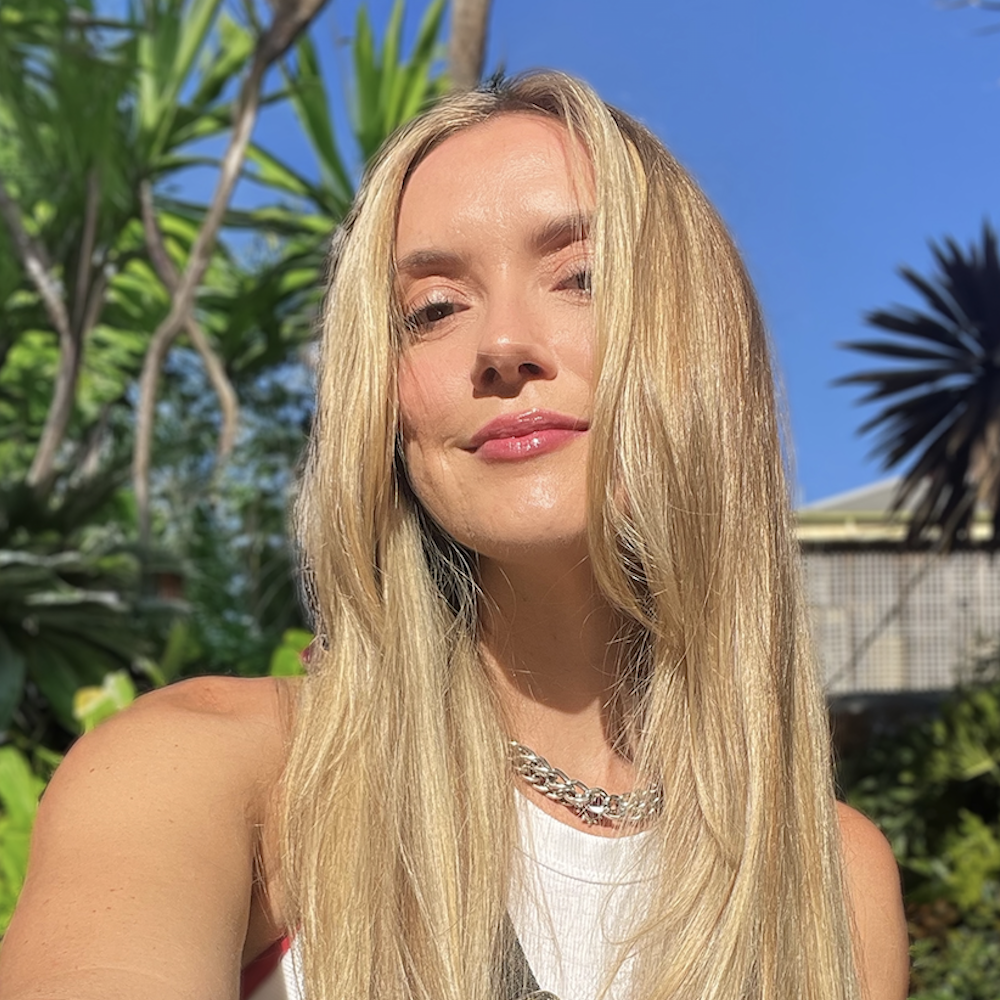
Kelsie is a writer, editor, and storyteller with a passion for plants, puns and making a difference. A longtime vegan, animal advocate, and dedicated plant-based foodie, she loves wordplay almost as much as she loves tofu. When she’s not writing about (or eating) delicious vegan food, you’ll find her making music with her band, Damaged Goods Club, or playing with her two loveable rescue cats, Smol Cat and Pikachu.